🏹 King Philip's War Investigation 🏹
New England, 1675
Background Information
Student Information
Indigenous Nations of the Region
Long before the English settled present-day New England, Algonquian peoples lived in the region. One of these Algonquian nations was the Wampanoag. Their society was built around family relations. Both men and women could serve as their leader, called a sachem, who governed their nation along with councilors, elders, and lower sachems.
In the early 17th century, the Wampanoag lived in present-day Rhode Island and southeastern Massachusetts. Wampanoags came into contact with European merchants at this time.
English Settlers in New England
When the Pilgrims arrived in 1620, the Wampanoag taught the Pilgrims how to fish and grow crops. Epidemics from diseases brought by Europeans, land seizures by settlers, and fighting against the colonists caused the deaths of many Native Americans in New England.
From 1600 to 1675, the region's Native American population decreased from 140,000 to 10,000. During the same time period, the English population grew to 50,000.
After a war between English colonists and the Pequot in 1636-1637, New England was free of major armed conflict for about forty years. In 1645, New England Puritans launched a campaign to convert the Native Americans to Christianity. About 2,000 Native Americans lived in "praying towns," where missionaries pressured them to give up their cultures and become Christians.
Timeline of Events
📷 Historical Image
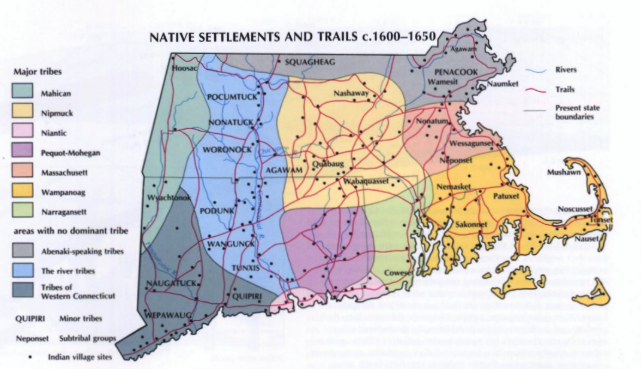
Map of Wampanoag territory or early New England settlement
Sachem Metacomet
Metacomet (whom the English called King Philip) was the sachem of the Pokanoket, a tribe of the Wampanoag nation. In 1675, he forged a military alliance with about two-thirds of the region's Native Americans.
Warm-up Questions
Based on what you've learned, answer these questions before examining the documents:
Document A: John Easton's Account
John Easton, a Rhode Island official, met Metacomet on June 16, 1675, to try to prevent war between the colonists and the Native Americans. However, the negotiations failed and fighting broke out within days.
In the winter in the year 1674, an Indian was found dead in a pond. The dead Indian was called Sassamon. He was a Christian who could read and write. It was said that he was a bad man and that he tried to cheat King Philip. One Indian informed the English colonists that three other Indians had murdered Sassamon, knowing that it would please the English. The three Indians were hung by colonists.
It was reported that before his death Sassamon had informed the colonists of the Indian Plot to destroy the English for their wickedness. So the English were afraid and Philip was afraid and both increased their arms.
About a week before war broke, we suspected it would. To try to prevent it, we sent a man to Philip, to ask if he would meet with us. King Philip agreed to come to us. He and his men said that they had done no wrong but that the English wronged them. We said we knew the English said the Indians wronged them, but our desire was to avoid fighting. The Indians acknowledged that fighting was the worst way. . . .
They said when the English first came, their king's father was as a great man, and the English were as a little child; he prevented other Indians from wronging the English, and gave them corn and showed them how to plant, and let them have 100 times more land than now the king had for his own people. They believe their king's brother, when he was king, was poisoned by the colonists.
Another grievance was, if 20 of their honest Indians testified that an Englishman had done them wrong, it was as nothing; and if but one of their worst Indians testified against any Indian or their king, when it pleased the English it was sufficient.
Another grievance was, when their king sold land, the English would say he owed them more than they had agreed to.
Source: John Easton, "True Relation of what I know and of Reports and My Understanding Concerning the Beginning and Progress of the War now Between the English and the Indians," 1675.
📷 Historical Image
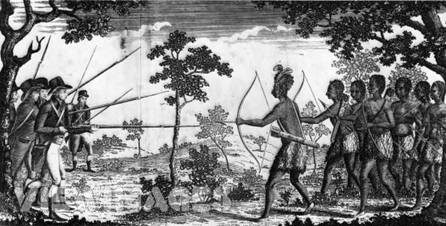
John Easton or colonial meeting scene
Document A Analysis Questions
Document B: Edward Randolph's Report
The English government sent Edward Randolph to New England to investigate the causes of King Philip's War. This is an excerpt from his report to the English government.
There are various opinions of the causes of the present Indian war. Some blame it to an inappropriate zeal in the magistrates of Boston to Christianize the Indians . . . and forcing on them the strict observation of colonial laws, which, to a people so rude has proven intolerable . . . and that while the magistrates, for their profit, severely enforce the laws against the Indians, the colonists, on the other side, for lucre and gain, entice and provoke the Indians to break them. . . .
Some believe there have been Catholic priests who have made it their business to turn the Indians against the English. . . .
Others blame the cause on some injuries against the Sachem Philip, for he possessed a tract of land called Mount Hope. . . . Some English wanted it, so they complained of injuries done by Philip and his Indians to their stock and cattle, whereupon Philip was often called before the magistrate, sometimes imprisoned, and never released without parting with a considerable part of his land.
But the government of Massachusetts declares these are the sins for which God has allowed the heathen to rise against the colonists: for breaking the fifth commandment . . .; for men wearing long hair and wigs made of women's hair; for women cutting, curling and laying out their hair, and disguising themselves by following strange fashions; for the people not attending their meetings, and others leaving before the blessing is pronounced; . . . for allowing the Quakers to live among them. . . .
The loss to the English in the several colonies is reckoned to amount to 150,000 pounds. . . . There having been about 1,200 houses burned, 8,000 head of cattle killed, and many thousand bushels of wheat and other grain burned . . . and upward of 3,000 Indian men, women and children destroyed, who if well managed would have been very serviceable to the English.
Source: Edward Randolph, "The Causes and Results of King Philip's War," 1675.
📷 Historical Image
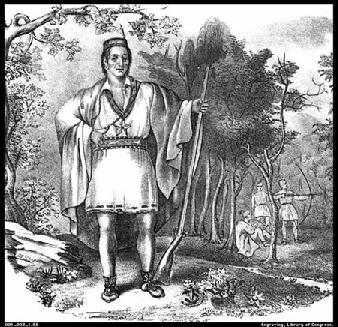
Edward Randolph or English colonial scene
Document B Analysis Questions
Document C: William Apess's Speech
William Apess was a Methodist minister and Pequot. He was well known in Massachusetts as a speaker, author, and activist.
He worked to gain rights for Native Americans. The following is an excerpt from one of his speeches.
In 1673, the Court ruled in favor of Talmon, the young Pilgrim. Philip had to give Talmon a large tract of land at Sapamet. This angered the Chief and his people. . . .
In the year 1668 Philip had made a complaint against a Pilgrim, who had wronged one of his men of a gun and some swine. There is no record that Philip got any justice. . . .
The Pilgrims sent an Indian, a traitor, to preach to Philip and his men, in order to convert him and his people to Christianity. The preacher's name was Sassamon. . . . What could have been more insulting than to send a man to them who was . . . a traitor? . . . It was the laws of the Indians that such a man must die. . . .
In March, 1674, one of Philip's men killed him, and placed him beneath the ice in a pond near Plymouth; doubtless by the order of Philip. . . . Tobias [was] apprehended and tried. Tobias was one of Philip's counselors. . . . In June, three Indians instead of one were arraigned. Only Tobias was previously suspected. Now two others were arraigned, tried, condemned and executed on June the 8th, 1675, by hanging and shooting. It does not appear that any more than Tobias was guilty. The other two persisted in their innocence until the end.
This so exasperated King Philip, that from that day he planned his revenge on the pilgrims. He believed the executions were a violation of treaties. . . . Until the execution of these three Indians, supposed to be the murderers of Sassamon, no hostility was committed by Philip or his warriors. After the Indians were executed, he could no longer restrain his young men, who, upon the 24th of June, provoked the people of Swansea, by killing their cattle and [and causing] other injuries, which was a signal to commence the war.
Source: "Eulogy on King Philip," delivered on January 8, 1836 at the Odeon, an auditorium in Boston, Massachusetts.
📷 Historical Image
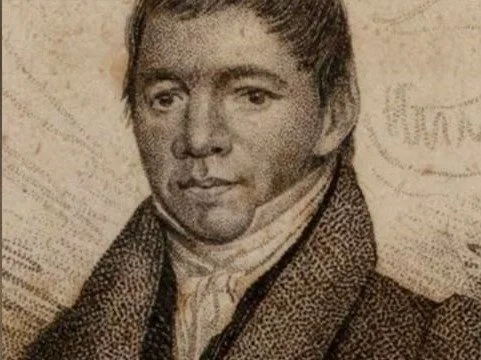
William Apess or 19th century Native American advocacy
Document C Analysis Questions
Your Final Hypothesis
Evidence You Have Examined:
- Background: Timeline of Native American-English relations 1620-1675
- Document A: John Easton's Account (June 16, 1675) - Metacomet's grievances
- Document B: Edward Randolph's Report (1675) - English government investigation
- Document C: William Apess's Speech (1836) - Native American perspective
What Caused King Philip's War?
What Really Happened?
King Philip's War (1675-1676)
In June 1675, Metacomet led an attack on an English settlement in Swansea, Massachusetts. Over the next year, Native Americans attacked more than half of New England's towns and destroyed twelve out of ninety.
📷 Historical Image
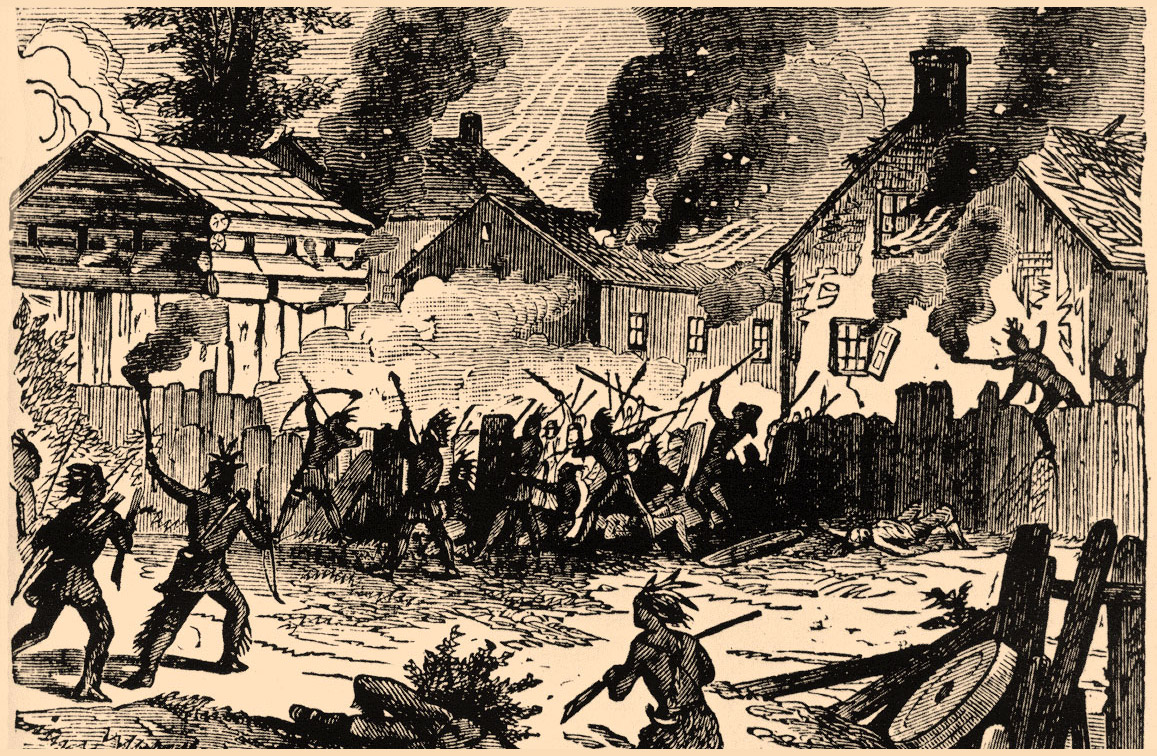
King Philip's War battle scene or aftermath
The War's Devastating Impact
Casualties and Destruction
- English colonists: 5% of New England's colonial population was killed
- Native Americans: Perhaps 40% were killed by colonists or forced to flee as a result of colonial attacks
- Towns destroyed: 12 out of 90 New England towns were completely destroyed
- Property damage: Over 1,200 houses burned, 8,000 head of cattle killed, thousands of bushels of grain destroyed
The End of the War
In August 1676, colonial forces killed Metacomet, then mutilated his body and publicly displayed it. Shortly after, Native American defenses collapsed.
Aftermath: Colonists sold many surviving Native American men into slavery in the West Indies and enslaved many women and children in New England. Colonists sent a smaller number of Native Americans to praying towns.